


Sustainability
2025 Nov 26th
Our Responsibility to Sustainability
We strive to use the most sustainable packaging options available, that also meet our highest standards for moisture, oxygen, and light protection. This helps provide optimal shelf life to keep your herbs, spices and teas looking and tasting their freshest!
Navigating the complexities within regional waste management systems, and determining what we can do now to reduce waste and improve recyclability of our packaging, has been challenging at times – but we are dedicated to continual learning and improving. As technological advancements are made in this field, we aim to offer better packaging as it becomes available.
It's more imperative than ever to be transparent with our customers about our packaging. Our aim is to assist in directing these materials through the appropriate waste and recycling streams.
Below you will find the following resources to help guide you:
- Recycling facilities in provinces and large cities across Canada and the USA
- Breakdown of the compositions of all our packaging as of Summer 2024
How to recycle near you
- Alberta (Calgary)
- British Columbia
- Manitoba
- New Brunswick
- Newfoundland and Labrador
- Nova Scotia
- Ontario (Toronto)
- Prince Edward Island
- Quebec (Montréal)
- Saskatchewan
If you are in the United States – please check out this excellent resource to find how to recycle various materials in your area: search.earth911.com

Celebration Herbals
Tea Packaging
Box – The Celebration Herbals tea box is made of 100% recycled paperboard and can be recycled alongside other paper and cardboard
Tea Bag Paper – The tea bags we use are 100% certified industrially compostable and are comprised of abaca fibres, cellulose, and PLA (polylactic acid) derived from corn.
Fully recyclable #4 plastic pouches have been in use in all our tea boxes since Fall/2024. These recyclable pouches can be distinguished from the conventional, non-recyclable pouches by the printing on them
Celebration Herbals
Bottled Spices
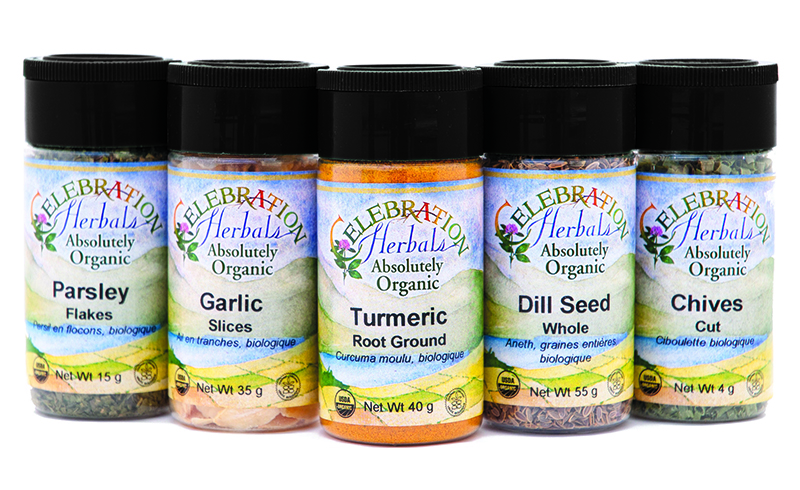
Our spice bottles are made of PET material and are classified under the #1 recyclability code. This material is widely accepted by curbside recycling programs and should be disposed of in the blue bin.
The spice shaker lids are made of black PP (polypropylene) and are classified under #5 recyclability code. Please check your municipality's recycling program to determine whether this material is accepted at curbside or drop-off, as it is not an accepted material in some regions.
NEW
Organic Connections
Bulk Herbs and Spices - Brown Stand-Up Pouches
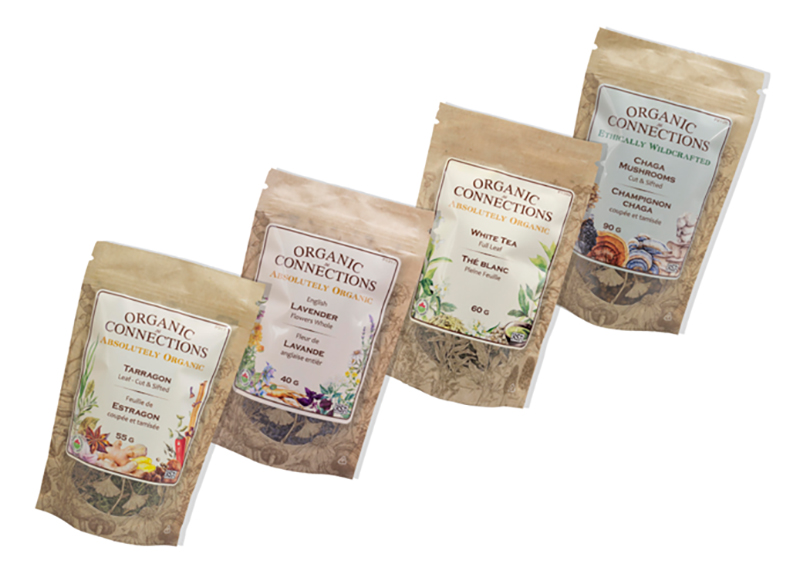
These are our 100% recyclable, kraft-look, printed stand-up pouches that we have fully transitioned to from our green, non-recyclable stand-up pouches as of Spring/2024. These are classified under either the #2 or #4 recyclability code (which can be found on the bottom of the pouch). They are commonly accepted by drop-off recycling facilities nationwide.
Organic Connections
Bulk Herbs and Spices - 25LB and Over Industrial Bags
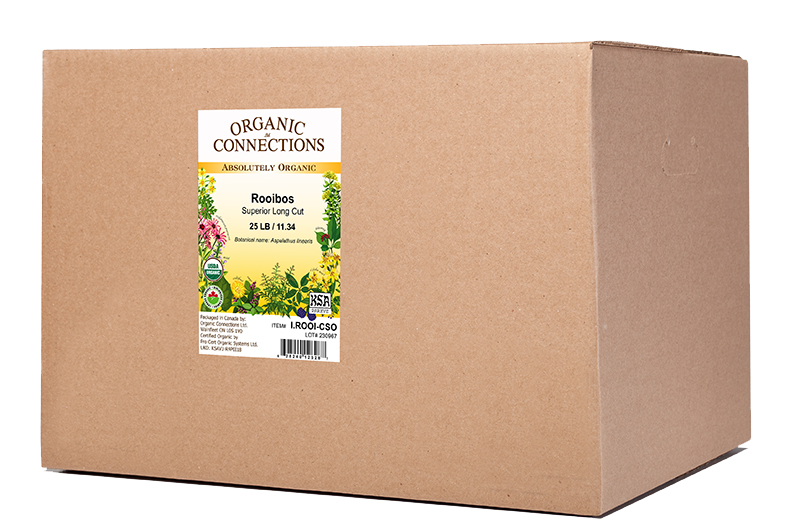
We pack our industrial quantity bulk in a cardboard box, with a plastic liner. The cardboard boxes used are largely composed of FSC-certified recycled material and can be recycled alongside other paper and cardboard.
The liner bags are made of LDPE material, classified under recycling code #4. These bags are commonly accepted at drop-off recycling facilities and accepted by some curbside recycling programs. Please check your municipality's recycling program to determine whether this material is accepted at curbside or drop-off.

OLD
Organic Connections
Bulk Herbs and Spices - Green Stand-Up Pouches
Though we are now almost exclusively using the new, fully-recyclable, kraft-look stand-up pouches for our bulk herbs and spices, these green pouches may still be in circulation in retail stores. These high-barrier, multi-layered stand-up pouches are classified under the #7 recyclability code (mixed materials) and are NOT accepted by curbside recycling programs, or at most drop-off recycling facilities. They can either be reused (for storing or freezing product) or disposed of in the trash.